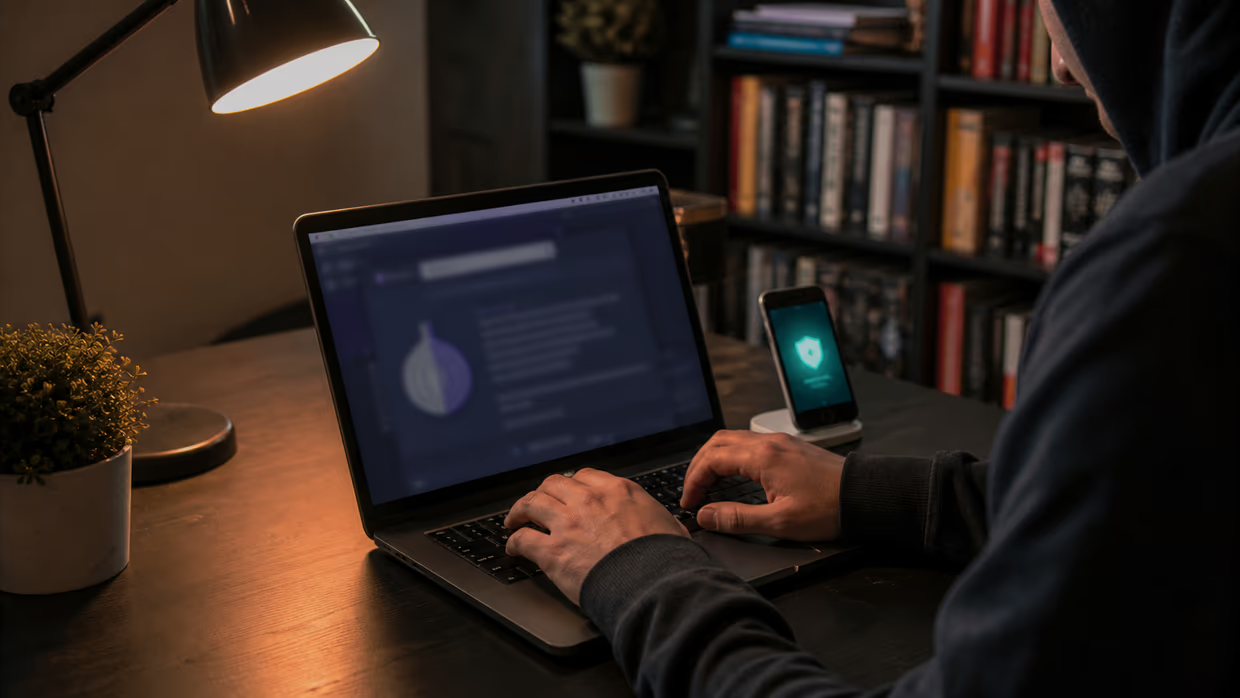
Dark web hackers are individuals or groups that operate on the dark web, often engaging in illicit activities such as data breaches and malware distribution. To understand the risks, be aware of prominent hacking groups like
- LulzSec
- Anonymous
- REvil.
Notorious Dark Web Hackers
Several infamous hackers have made their mark on the dark web, each contributing to the ongoing cybersecurity challenges. Understanding their activities helps us navigate the risks associated with dark web interactions.
Silk Road Operators
Silk Road was one of the first dark web marketplaces, known for facilitating the sale of illegal drugs and other illicit goods. Its operators, including the infamous Ross Ulbricht, utilized advanced encryption and anonymity techniques to evade law enforcement. The takedown of Silk Road in 2013 highlighted vulnerabilities in online marketplaces and led to significant data breaches, affecting thousands of users.
The Dark Overlord
This group gained notoriety for their ransomware attacks on various businesses, demanding hefty ransoms for the decryption of stolen data. They are known for leaking sensitive information when victims refuse to pay, resulting in financial losses and reputational damage. Their activities underscore the severe implications of ransomware in cybersecurity.
Lizard Squad
Lizard Squad is infamous for its DDoS (Distributed Denial of Service) attacks, which disrupt online services by overwhelming them with traffic. Their attacks on gaming networks, including PlayStation and Xbox during holiday seasons, demonstrated how easily hackers can cripple popular platforms, causing extensive service outages and financial losses.
Phineas Fisher
This hacker is known for high-profile data breaches targeting corporations and government agencies. Phineas Fisher gained attention for hacking the Italian surveillance company Hacking Team, leaking sensitive information that exposed unethical practices. Their actions have raised awareness about the misuse of technology by governments and corporations.
Anonymous
While not a single hacker, Anonymous is a decentralized group known for various cyber operations, including hacktivism. They target institutions they perceive as corrupt, launching attacks that often result in significant data breaches. Their activities have sparked debates about ethics in hacking and the consequences of online activism.
The Dark Web Scammers
Numerous scammers operate within dark web forums, offering fake services or products. These scams can lead to identity theft or financial loss for unsuspecting users. Engaging with these actors without proper verification can expose individuals to significant risks.
Ransomware-as-a-Service Developers
With the rise of ransomware-as-a-service, several hacker groups now offer ransomware tools to less experienced individuals. This model has made ransomware attacks more accessible, leading to an increase in cybercrime incidents. The implications for businesses and individuals are severe, with rising financial losses and data breaches.
By familiarizing ourselves with these notorious dark web hackers, we can better understand the risks they pose and take necessary precautions against their malicious activities.
How Dark Web Hackers Operate
Dark web hackers employ various methods to execute their malicious activities, often relying on specialized forums and communities for support and resources. Understanding these methods can help us navigate the risks associated with their operations.
One common tactic used by hackers is the exploitation of vulnerabilities in software or systems. By identifying weaknesses, they can gain unauthorized access, steal data, or deploy malware. For example, phishing attacks remain prevalent, where hackers create fake websites to trick users into revealing personal information. This method is particularly dangerous, as it can lead to identity theft and financial fraud.
Forums and communities on the dark web play a crucial role in facilitating hacker activities. These platforms serve as hubs for sharing techniques, tools, and information. Newcomers can learn from seasoned hackers, while experienced individuals can collaborate on larger schemes. For instance, some forums offer “ransomware-as-a-service” models, allowing less experienced hackers to purchase ready-made ransomware tools. This accessibility has contributed to a surge in cybercrime incidents.
Scams are rampant in these communities, making it essential for users to exercise caution. Many individuals fall victim to fake services, resulting in financial losses or compromised data. To mitigate these risks, we advise verifying the credibility of information and participants in these forums before engaging. Cross-referencing claims with reputable cybersecurity sources can help us avoid scams and make informed decisions.
Proactive measures, such as employing strong cybersecurity practices and staying informed about common tactics, can significantly reduce our vulnerability to dark web hackers. Engaging with reliable resources, including specialized forums, enhances our understanding of the risks involved.
Risks Associated with Dark Web Hackers
Engaging with dark web hackers poses significant risks that can lead to severe consequences for individuals and organizations. Understanding these risks is essential for effective cybersecurity.
Data breaches are one of the most prominent threats associated with dark web hackers. When hackers infiltrate systems, they often steal sensitive information, such as personal identification details, financial records, and login credentials. For instance, a single data breach can expose thousands of users, leading to identity theft and financial fraud. Individuals affected may face long-term consequences, including damaged credit scores and extensive recovery efforts.
Financial losses are another critical risk. Hackers often target businesses through ransomware attacks, demanding large sums of money to restore access to encrypted data. In 2021, the average ransom paid by organizations reached $220,000, reflecting a concerning trend in cyber extortion. Such attacks not only result in direct financial loss but can also lead to reputational damage and loss of customer trust.
The dark web is rife with scams that prey on unsuspecting users. Many hackers operate within forums, offering fake services or products, which can lead to further financial loss or identity theft. For example, individuals might purchase stolen credit card information, only to find it invalid or compromised. Engaging with these scammers without proper verification frequently results in negative outcomes.
To mitigate these risks, we recommend implementing robust cybersecurity practices. Regularly monitor personal and financial accounts for unusual activity, and utilize data breach monitoring tools to stay informed about potential threats. Additionally, engaging with established cybersecurity communities can provide valuable insights and help individuals navigate the complex landscape of dark web interactions.
By understanding the various risks associated with dark web hackers, we can take proactive steps to protect ourselves and minimize the potential consequences of their malicious activities.
Debunking Myths about Dark Web Hackers
Several misconceptions surround dark web hackers that can lead to misunderstandings about their capabilities and intentions. Addressing these myths helps us navigate the risks more effectively.
One common myth is that all dark web hackers are highly skilled programmers. While some hackers possess advanced technical skills, many rely on readily available tools and resources. For instance, the rise of ransomware-as-a-service has enabled less experienced individuals to launch attacks without deep technical knowledge. This model democratizes cybercrime, making it accessible to a broader range of people, which increases the overall threat landscape.
Another misconception is that dark web hackers only target large corporations. In reality, individuals and small businesses are equally at risk. Cybercriminals often exploit vulnerabilities in personal devices or small networks, leading to significant data breaches. For example, many phishing attacks target unsuspecting individuals, tricking them into revealing sensitive information. This can result in identity theft or financial losses that impact not just corporations but everyday users as well.
The belief that dark web hackers operate in isolation is also misleading. In fact, many hackers participate in forums and communities where they share techniques, tools, and even collaborate on schemes. These platforms foster a sense of camaraderie among hackers, making it easier for them to learn from each other and improve their methods. Engaging in these communities can amplify the risks for those who are not cautious.
Additionally, many assume that accessing the dark web guarantees anonymity. While tools like Tor provide some level of privacy, it is not foolproof. Law enforcement agencies have successfully infiltrated dark web forums and tracked down criminals. Users can still be exposed to risks if they do not take proper precautions.
To protect ourselves, we should approach information about dark web hackers critically and verify claims through reputable sources. Staying informed about the tactics used by these hackers can help us avoid falling victim to their scams and malicious activities. Engaging with cybersecurity resources can enhance our understanding and preparedness against the threats posed by dark web hackers.
Verifying Information about Dark Web Hackers
Verifying information about dark web hackers is crucial for protecting ourselves from scams and misinformation. The dark web is filled with unreliable sources, making it essential to fact-check any claims before taking action.
First, utilize reputable cybersecurity resources to cross-reference information. Established websites, forums, and publications that specialize in cybersecurity often provide accurate insights into hacker activities and their methods. For instance, cybersecurity blogs and news outlets regularly report on emerging threats and notorious hacker groups, allowing us to stay informed about the latest trends.
When encountering claims about specific hackers or hacking incidents, consider the source's credibility. Look for information that cites reliable data or official reports. If a forum or community is discussing a hacker's activities, check for corroborating evidence, such as news articles or security advisories from recognized organizations. This helps ensure that the information is not just speculation or rumor.
Engaging with established online communities can also enhance our understanding. Participating in discussions on reputable forums allows us to learn from experienced members who share their knowledge about dark web activities. However, we must remain cautious and critically evaluate the information shared, as misinformation can still circulate within these communities.
To avoid falling victim to scams, we should be skeptical of offers that seem too good to be true. If a hacker claims to provide a service or product, verify their legitimacy before engaging. Scams often thrive on the dark web, leading to significant financial losses or data breaches for unsuspecting users.
By taking proactive steps to verify information about dark web hackers, we can reduce our risk of falling prey to malicious activities. Staying informed and skeptical allows us to navigate this complex landscape more effectively. For further insights on safely navigating the dark web, we recommend checking our resource on Dark Web Chatroom Links: Connect Safely.
Dark Web Hacker Profiles and Forums
Understanding the profiles of dark web hackers and the forums they inhabit is essential for navigating the risks associated with their activities. These platforms serve as breeding grounds for malicious behavior, making it crucial to recognize scams and ensure our safety.
Dark web hacker profiles often feature individuals who specialize in various cybercriminal activities, such as data breaches, identity theft, and the sale of stolen information. Many hackers operate within specific forums where they share techniques, tools, and even collaborate on larger schemes. For instance, some forums function as marketplaces for ransomware-as-a-service, allowing less experienced hackers to access sophisticated tools without needing extensive technical skills.
Recognizing scams on these forums is vital. Scammers frequently present themselves as legitimate service providers, luring unsuspecting users into purchasing fake products or services. Common scams include the sale of stolen credit card information or hacking services that promise to breach systems but ultimately deliver nothing. To protect ourselves, we should verify the credibility of participants and claims before engaging in any transactions. Cross-referencing information with reliable cybersecurity sources can help us avoid falling victim to these scams.
Staying safe while exploring dark web forums requires a proactive approach. Here are some best practices:
- Use Secure Connections: Always access dark web forums through secure networks and utilize tools like VPNs to enhance your anonymity.
- Verify Information: Cross-check claims about services or products before making any purchases. Look for corroborating evidence from reputable sources.
- Engage Cautiously: Participate in discussions with skepticism. While some forums may offer valuable insights, misinformation can spread quickly.
By familiarizing ourselves with dark web hacker profiles and understanding the dynamics of forums, we can better navigate the risks they pose. Engaging with trustworthy resources, such as specialized cybersecurity communities, can further our knowledge and help us stay safe in this complex environment.
Protecting Yourself from Dark Web Hackers
Taking proactive measures can significantly enhance your safety against dark web hackers. Here are some practical tips and best practices to protect your personal data and minimize risks associated with dark web activities.
Use Strong Passwords and Two-Factor Authentication
Creating strong, unique passwords for each of your online accounts is crucial. A strong password typically includes a mix of uppercase and lowercase letters, numbers, and special characters. Consider using a password manager to generate and store complex passwords securely. Additionally, enable two-factor authentication (2FA) wherever possible. This adds an extra layer of security by requiring a second form of verification, such as a text message or authentication app, to access your accounts.
Regularly Monitor Your Accounts
Stay vigilant by regularly monitoring your financial and personal accounts for any unusual activity. Check bank statements, credit reports, and online accounts frequently. If you notice any unauthorized transactions or changes, report them immediately. Utilizing data breach monitoring services can also alert you if your information has been compromised in a breach.
Educate Yourself on Phishing Scams
Phishing scams are prevalent on the dark web and can lead to identity theft. Be cautious of unsolicited emails or messages requesting personal information. Always verify the source before clicking on links or providing sensitive data. Familiarize yourself with common phishing tactics, such as fake websites that mimic legitimate services.
Use Secure Connections
When accessing sensitive information online, always use secure connections. This includes utilizing Virtual Private Networks (VPNs) to encrypt your internet traffic, especially when using public Wi-Fi. Secure connections help protect your data from being intercepted by hackers.
Engage with Trusted Communities
Participating in established cybersecurity communities can provide valuable insights into the dark web landscape. These communities often share information about emerging threats and best practices for staying safe. However, approach these discussions with caution and verify claims before acting on them, as misinformation can circulate within any community.
Be Skeptical of Offers
If something seems too good to be true, it probably is. Be skeptical of offers on the dark web, especially those promising quick financial gains or easy access to restricted content. Scams are common, and falling for them can lead to significant financial losses or data breaches.
By implementing these strategies, we can better protect ourselves from the threats posed by dark web hackers. Staying informed and cautious is key to minimizing risks and safeguarding our personal information. For further insights on safely navigating the dark web, we recommend checking our resource on Dark Web Chatroom Links: Connect Safely.
Fact-Checking Dark Web Hacker Claims
Fact-checking claims about dark web hackers is essential to protect ourselves from misinformation and scams. The dark web is notorious for unreliable sources, making it crucial to verify any information before taking action.
Start by referencing reputable cybersecurity resources. Established websites and publications that focus on cybersecurity often provide accurate insights into hacker activities and their methods. Regularly updated blogs and news outlets report on emerging threats and notorious hacker groups, enabling us to stay informed on the latest trends in cybersecurity.
When evaluating claims regarding specific hackers or incidents, consider the credibility of the source. Reliable information should cite official reports or data from recognized organizations. If discussions arise in forums or communities about a hacker's actions, look for corroborating evidence, such as news articles or security advisories. This approach helps to distinguish between speculation and verified facts.
Engaging with established online communities can further enhance our understanding. Participating in discussions on reputable forums allows us to learn from experienced members who share valuable insights about dark web activities. However, we must remain vigilant and critically assess the information shared, as misinformation can still circulate even among knowledgeable participants.
To avoid falling victim to scams, maintain a healthy skepticism towards offers that seem too good to be true. If a hacker claims to provide a service or product, it is crucial to verify their legitimacy prior to engagement. Scams often proliferate on the dark web, leading to significant financial losses or data breaches for unsuspecting users.
By taking proactive steps to fact-check information about dark web hackers, we can mitigate the risks associated with their malicious activities. Staying informed and skeptical empowers us to navigate the complex landscape of the dark web more effectively. For additional information on safely navigating the dark web, we recommend checking our resource on Dark Web Chatroom Links: Connect Safely.
Dark Web Hackers Comparison
| Hacker Type | Activities | Risks | Verification Methods |
|---|---|---|---|
| Ransomware Groups | Encrypt data for ransom | Data loss, financial loss | Check reports from cybersecurity firms |
| Phishing Scammers | Create fake websites | Identity theft, financial fraud | Cross-reference with credible sources |
| Data Breachers | Steal personal data | Privacy invasion, identity theft | Utilize data breach monitoring tools |
| Marketplace Operators | Sell stolen data and services | Financial loss, legal issues | Engage with established cybersecurity communities |
| Malware Developers | Create and distribute malware | System compromise, data theft | Analyze evidence from multiple sources |
| DDoS Attackers | Launch denial-of-service attacks | Service disruption, financial loss | Verify claims through detailed reports |
Common Mistakes and Misconceptions
When dealing with dark web hackers, it's easy to fall into common pitfalls. Being aware of these can help us navigate this complex landscape more effectively.
Assuming All Dark Web Hackers Are Skilled
Many individuals mistakenly believe that all dark web hackers possess advanced skills. However, the dark web is also home to numerous scammers and inexperienced individuals. This misconception can lead to engaging with untrustworthy sources, potentially resulting in financial loss or identity theft. To avoid this, we should verify the credibility of hackers and their claims through multiple sources.
Overlooking Verification of Dark Web Hacker Claims
Failing to verify information about dark web hackers can lead to falling victim to misinformation and scams. The dark web is notorious for its misleading information, making it crucial to cross-reference claims across reputable platforms and cybersecurity communities. By doing so, we can build a more accurate understanding of a hacker's activities and reputation.
Ignoring Basic Cybersecurity Practices When Dealing with Hackers
Some individuals underestimate the importance of basic cybersecurity practices when interacting with dark web hackers. This includes failing to use strong passwords and neglecting to update software regularly. By ignoring these practices, individuals become more vulnerable to cyber threats. We should always prioritize robust cybersecurity measures to protect our data.
Believing Sensational Claims About Hackers Without Evidence
The dark web is filled with sensational claims intended to attract attention. Believing these claims without seeking corroborating evidence can lead to poor decision-making. We should approach dramatic statements skeptically and verify them through detailed reports and credible sources before acting on the information.
Underestimating the Risks of Engaging with Dark Web Hackers
Using public Wi-Fi without proper precautions when accessing information related to dark web hackers can expose individuals to additional risks. Hackers can easily intercept data transmitted over unsecured connections. To mitigate this risk, we should consider using a virtual private network to encrypt our internet traffic when using public Wi-Fi.
Failing to Stay Informed About Emerging Threats
Lastly, not staying informed about the latest tactics and scams used by dark web hackers can leave individuals vulnerable. The landscape of cyber threats is constantly evolving, and staying educated on common hacking methods and scams is crucial. We should regularly engage with credible cybersecurity resources and communities to enhance our knowledge and awareness.
Conclusion
To protect ourselves from dark web hackers, we must take proactive steps. Key takeaways include:
- Implementing strong security practices, such as regularly updating software and using multi-factor authentication.
- Monitoring financial accounts and personal information for unusual activity.
- Being cautious when using public Wi-Fi and avoiding accessing sensitive information without a VPN.
- Educating ourselves about common hacking methods and scams to avoid falling victim.
To further enhance our awareness, we can engage with credible resources and communities, such as our Dark Web Telegram List: Essential Channels to Follow.
Explore More on Dark Web Risks
Dive deeper into our resources to enhance your knowledge.
View More ArticlesSee also: services. We keep a short list of services we check regularly. Onion directory